

Your Feet Weren’t Built to Ignore Impact. So Why Do Your Insoles?
If you walk, run, skate, snowboard, work on your feet—whatever! If you do anything that involves moving throughout this wild world of ours, your feet deal with impact. Every step puts forces through your body. Every push adds another hit. Even simply standing on hard floors for hours on end can leave your feet feeling like they've had enough.

You could argue it’s just part of being active, and hey, it certainly is. But that doesn't mean you should ignore what’s actually happening. We spend plenty of time thinking about shoes—whether we're looking for better running shoes, the right skate shoes, some work boots that can survive a long shift—but the insoles inside those shoes are often an afterthought. Most people stick with whatever came in the box and don't think much about it until their feet start complaining. That’s crazy!
Here's the thing: your feet do a lot of work and we firmly believe that what's underneath them should do a little more. And that's why we're here.

Your Feet Deal With More Impact Than You Think
Impact isn't just something that happens when you jump down a gnarly set of stairs or some big ass gap. It’s not only happening to marathon runners or pro athletes. It's part of our everyday lives, whether we realize it or not.
Walking around town, running on the unforgiving pavement, skating a curb, hiking a trail, or again, even just standing behind a counter for eight hours all put demands on your feet. And sure, the amount of impact will vary depending on what you're doing, but it all adds up nonetheless.
The good news is, your feet are designed to handle all types of random movements, just like they’re designed to handle different levels of impact. Have you ever really tripped out on your feet? Weird question, I know, but they have such a gnarly system of bones, joints, muscles, tendons, ligaments, and soft tissues that work together to support you. The problem isn't that your feet aren't capable of handling impact. It's that the demands can just simply add up, especially when you're repeating the same movements for hours or days at a time.
And while you can't eliminate impact from an active life, you can definitely pay more attention to how you manage it. That's where better insoles like Remind come into play.

The Problem With Settling for Stock Insoles
Most shoes come with a factory (or “stock”) insole. It’s a silly little piece of foam that provides a basic layer between your foot and the shoe. In fairness—at least depending on the shoe itself—it may offer some cushioning and support. And for some people, that might be enough for whatever they're doing. But a standard stock insole isn't necessarily designed around your specific arch shape, activity level, or need for impact protection. And trust me, if you’re an active person, you’re going to feel it.
Think about it. The demands on a skateboarder's feet are different from those of someone running a bunch of miles every day. A warehouse worker spending an entire shift on concrete has different needs from someone who loves snowboarding. Point is, one generic insole isn't going to be the perfect solution for every foot and every activity. Yet many of us never even question it! We invest in shoes designed for the job, then leave what’s inside of them to chance.
If your feet regularly feel tired, uncomfortable, or unsupported, your insoles are worth a closer look. They aren't the only factor that affects foot comfort, but they are one part of your setup you can actually do something about pretty easily.

Cushioning Is Good. But It's Not the Whole Story.
Another thing I can’t focus on enough is the fact that when people think about better insoles, they often think about softness. More foam, more padding, more of that "comfy feeling" when you first slide your feet into your shoes. Again, fair.
Cushioning matters, don’t get me wrong. It’s great and it’s a necessary part of the equation. But soft doesn't automatically mean supportive, and adding more padding doesn't guarantee better impact management.
Different materials respond to force in different ways. Some compress easily to create a soft feel, while others are designed to help absorb impact and respond as pressure is applied and released.
That's why it's worth looking beyond how an insole feels when you're just standing still. Sometimes you really have to give them your worst!
Quick breakdown: Shock absorption is about how materials help manage impact forces. Cushioning contributes to comfort underfoot. Arch support provides structure that can help support your foot, depending on its shape and needs. Energy return describes how a material responds after compression, returning some energy rather than simply feeling soft. These features aren't interchangeable, and no single one tells the whole story.
That's why at the end of the day, a well-designed insole considers how cushioning, support, and impact management work together. The goal isn't to make your feet feel like they're sitting on a pile of pillows. It's to create a more supportive, comfortable foundation for whatever you're doing.

Why Arch Support Matters, Too
Okay, so we know impact protection is important, but how your foot is actually supported inside your shoe is super important all the same. Your arches play a role in how your feet distribute pressure and respond to movement. And because everyone's feet are different, the right amount of arch support can vary from person to person. Either way, an insole that matches your arch can help provide a more supportive platform inside your favorite shoes.
However, keep in mind that this doesn't mean everyone needs the same level of support. If an insole presses uncomfortably against your arch or changes the fit of your shoe for the worse, it may not be the right match. The idea is to find an insole that works with your feet, not force your feet to work around it.
So if it’s time for you to upgrade your insoles to Remind, first off, it’ll be the best decision ever. Ha! Jokes aside, though, just make sure you consider your arch shape, the shoes you're wearing, and what your feet need throughout the day. Better support isn't about adding as much structure as possible. It's about finding the right combination of support, cushioning, and fit.

Give Your Feet a Better Foundation
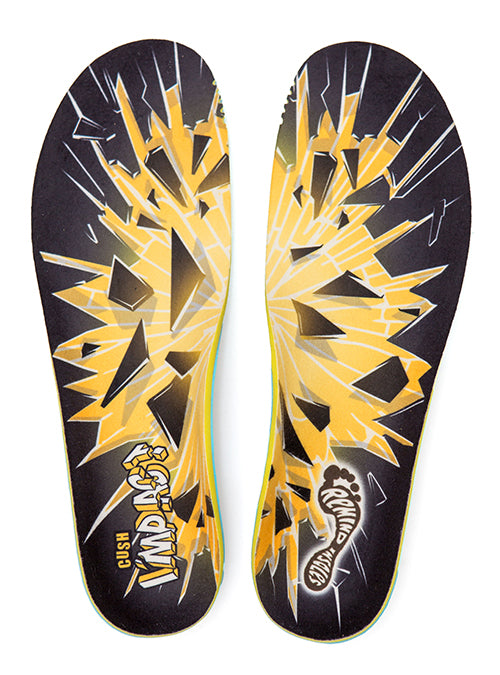
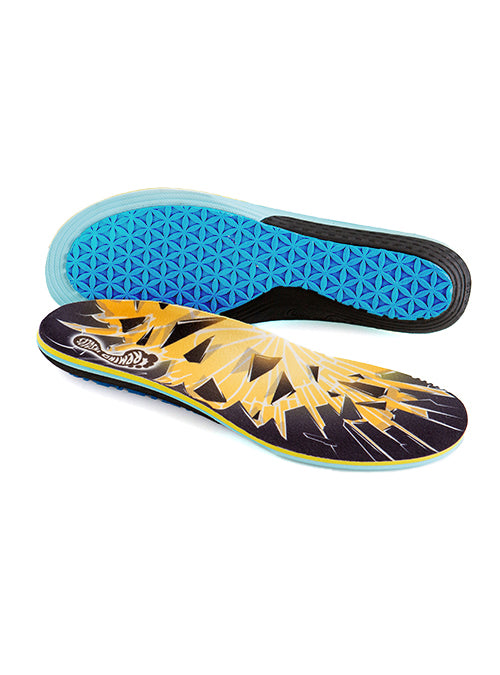
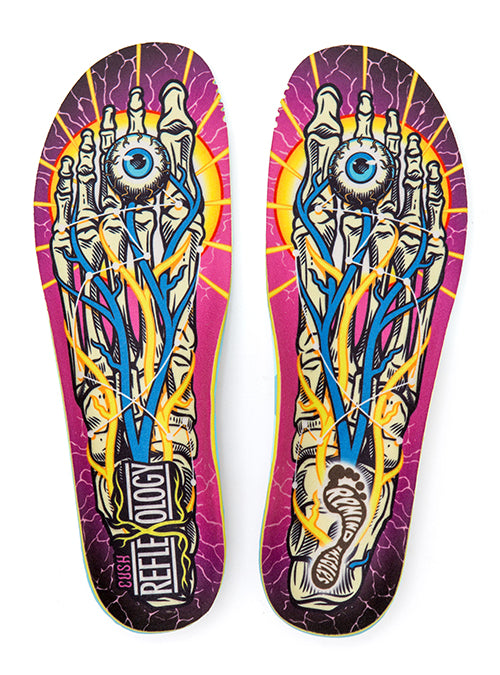
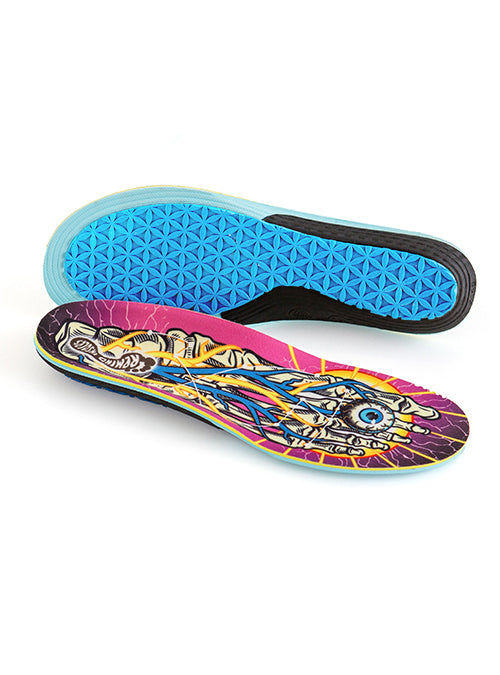
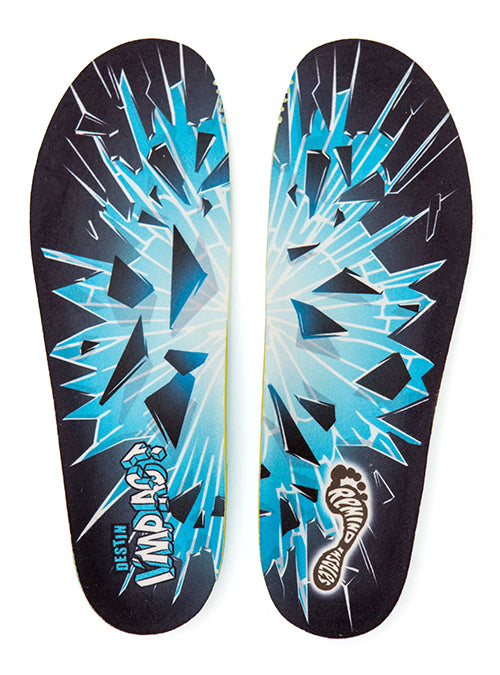
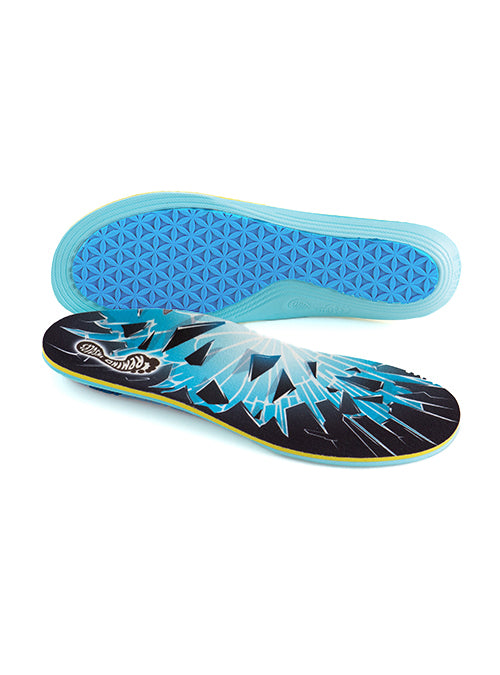
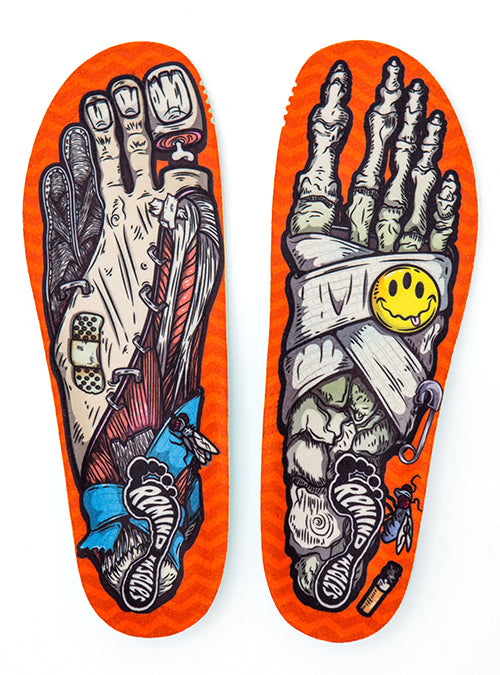
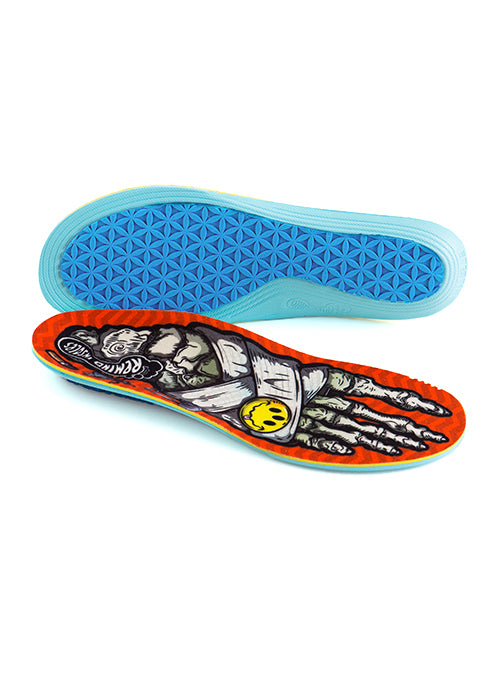
Impact protection will forever be at the top of our list. We believe your insoles should do more than fill the space between your feet and your shoes. Whether it’s our Medic, Cush, Destin, REDE and Remedy models, we’ve designed them all with impact protection, shock absorption, energy return, and support in mind. And we proudly offer different options designed to meet different needs.
So again, whether you're putting in long hours at work, stacking your daily miles, skating your local spot, or getting ready for a day on the mountain, what works best depends on your feet, your kicks, and how you spend your time.
No insole can fully eliminate impact, prevent every injury, or guarantee you'll never experience foot discomfort. That’s not what we’re saying here. Your shoes, activity levels, recovery, and individual needs all play a role. But choosing insoles designed with impact management and support in mind is a practical place to start.
Your feet are already out there doing the work. They carry you through the everyday stuff and the things you love doing most all the same. So don’t you think they deserve a little more consideration than whatever sliver of foam happened to come in your shoes? Yes. Yes you do.
You can't avoid every little pocket of pain, but you can be smarter about what’s going on UNDER your feet. Maybe it's time to give those stock insoles a second thought. Consider this your reminder.
**Still not sure which Remind model is best for YOUR feet? Try our Insole Finder Quiz and find your perfect match!


Leave a comment