
The Real Problem With “One-Size-Fits-All” Insoles
ONE SIZE DOESN'T FIT ALL.
Different feet. Different footwear. Different demands.

One-size-fits-all? I’m not buying it. We know not all feet are built the same. So why should every insole be?
Think about it. Some people have flat feet, others have high arches, and plenty fall somewhere in between. Some spend eight hours standing on concrete, while others spend their days running trails, skating stairs, or ripping down a mountain on their snowboard or mountain bike. Different feet, different footwear, different demands.
The funny thing is, most shoes come with a stock insole, assuming it will do the job.
For some people, that's fine. I guess. But if you're looking for real comfort, support, and impact protection, your feet probably need something more specific. Look no further than Remind.
Finding the right insoles isn't just about picking a size and calling it a day. It's about understanding your feet, what you put them through, and what you need from the stuff underneath them.
Your Shoe Size Doesn't Tell the Whole Story
Shoe size is a good place to start when shopping for insoles. It's just not the whole picture, you know?
Two people can wear the same size shoe and have completely different feet. One might have low arches and a wider forefoot, while the other has high arches and a narrower heel. Their shoes might be the same length, but their support needs can be pretty different. I have high arches. What about you?
That's one reason a generic, one-size-fits-all approach can—and will—fall short. An insole might fit inside your shoe without providing the right kind of support for your foot, which can be misleading.
Your arch shape is one factor worth considering. But so are your comfort preferences, the shape of your shoes, and the activities you typically do the most.
The goal isn't to find the most supportive insole on the shelf. It's to find the one that provides the right combination of support, cushioning, and impact management for you.

Your Arch Type Matters
Your arches help distribute pressure and respond to movement. Their shape can influence how your feet interact with the ground and the inside of your shoes.
Generally speaking, feet tend to have low, medium, or high arches. Duh. We get that now. The point is none of these automatically means you have a problem, but they can certainly affect which insoles feel comfortable and supportive.
People with low arches or flat feet may benefit from an insole designed to provide appropriate support and help manage pressure. Those with medium or high arches may prefer a shape that provides more focused arch support and cushioning.
The important part? More arch support doesn't automatically mean better arch support.
An insole that doesn't match your foot can create uncomfortable pressure or make your shoes feel less comfortable. The right fit should feel supportive without digging into your arch or forcing your foot into an unnatural position.
If you're unsure about your arch type, start by paying attention to how your current footwear feels. Do your feet get tired quickly? Does the arch area feel unsupported, or does it feel like something is pressing into it? These observations aren't just minor diagnoses—they can help you figure out what to look for next.
DIFFERENT FEET.
DIFFERENT DEMANDS.Different Activities Put Different Demands on Your Feet
Your feet don't work the same way all day, every day. A runner logging miles on pavement puts different demands on their feet than someone standing behind a counter for an entire shift. A skateboarder repeatedly jumping down the big stuff or even just skating curbs deals with a different type of impact than someone walking around town. And snowboarders, BMX enthusiasts and even parkour people need to consider the fit and support of their boots and shoes, too.
That's why choosing insoles based on arch type alone doesn't tell the whole story.
If you're skating, everything that comes with any session makes impact protection and shock absorption important considerations. If you're working long hours on your feet, all-day comfort and appropriate support may be higher on your list. Runners may want to consider cushioning, support, and responsiveness over repeated strides.
All that said, there's definitely an overlap. Anyone can experience foot fatigue, and impact management can matter across all kinds of activities. But your insoles should make sense for how you actually use your feet, not just how they look on paper.

Soft Doesn't Always Mean Supportive
We say it all the time, but when people think about upgrading their insoles, they often think about adding more cushioning. Hey, cushioning matters. Nobody's arguing against comfortable feet. But a soft insole isn't automatically a supportive one.
Cushioning helps create a comfortable feel underfoot, while shock absorption describes how materials help manage impact forces. Arch support provides structure, and energy return describes how a material responds after being compressed.
These features work differently, and again, the best combination depends on your needs.
An insole designed around impact protection and support considers more than how soft it feels when you first put it on. It considers how the materials respond to pressure and how the insole works with your foot and footwear. That's especially important if you're putting your feet through a ton of impact or spending long hours moving around.
I’ve said it before and I’ll say it over and over again—here at Remind, impact protection is a top priority. We’re skaters. We’re snowboarders. We’re runners. We’re active people! And that’s why we focus on combining support, shock absorption, comfort, and energy return because your feet deserve more than a generic piece of foam. It’s just too important to ignore.
Fit Matters Inside Your Shoes, Too
Even the right insole for your arch and activity needs to fit properly inside your footwear. Shoes and boots have limited space. An insole that's too thick or bulky can make the fit feel tight, reduce room around your toes, or create unwanted pressure. One that's too thin or lacks the structure you need may not deliver the support you're looking for.
That's why swapping insoles isn't always as simple as choosing a thicker option and hoping for the best.
Think about the design of your shoes, or how securely your heel sits, and whether your toes have enough room. Your foot should never feel squeezed against the top or sides of your shoes, and your insole definitely shouldn't introduce new pressure points, either. You might know that already, but a reminder never hurts.
Also, just remember—a better insole can't fix every problem with your feet and shoes, but they can absolutely help. But I mean… if your shoes are the wrong size or shape, I’d start there. (Ha!)

Finding the Right Remind Insole for Your Feet
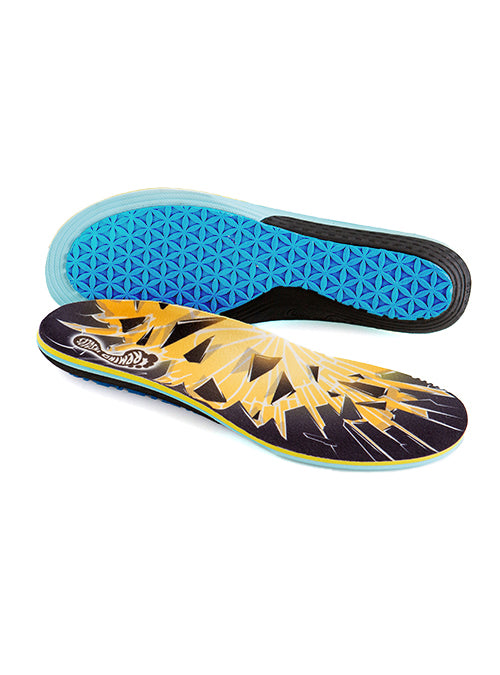
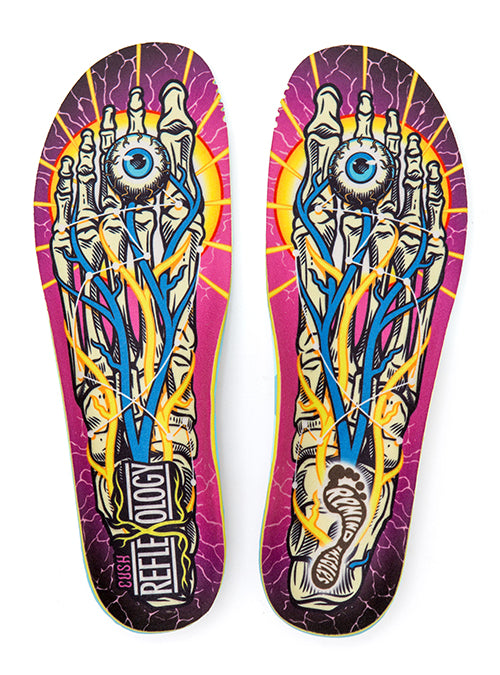
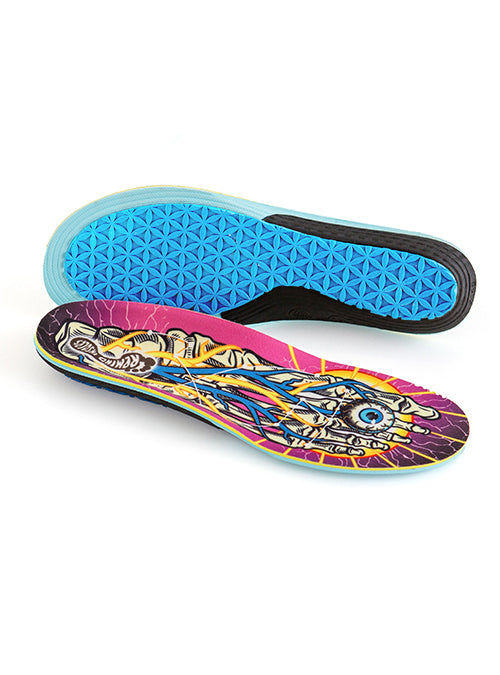
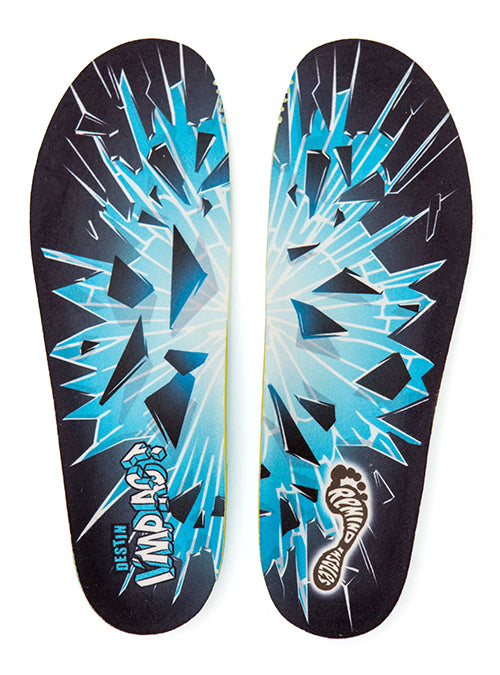
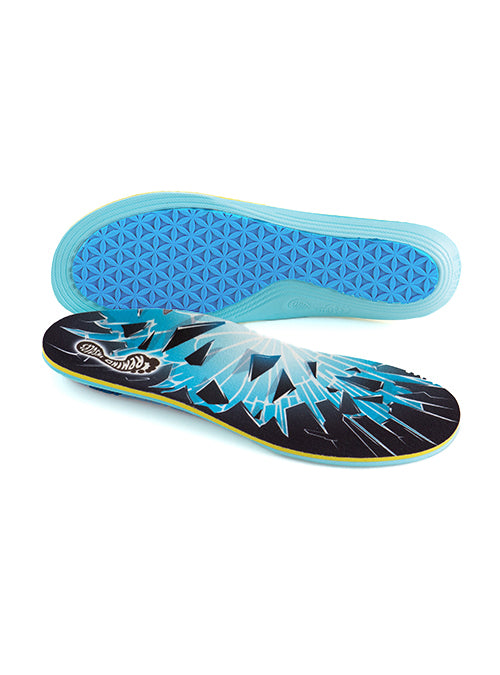
Okay, so this is where choosing an insole based on your actual needs makes a difference. We’re proud to offer different insole options for different feet and preferences. Whether it’s our Medic or Cush, Destin, REDE, Remedy—again, every model we have is worth considering and each type is designed for every walk of life.
The right choice depends on your arch shape, comfort needs, footwear, and what you put your feet through. No single model is automatically right for everyone. And no insole can eliminate impact or guarantee you'll never experience discomfort. But choosing one designed around your needs is a better starting point than assuming the stock insole has everything covered.
Your feet carry you through a lot. I mean, they carry you through everything. From long shifts and daily walks to heavy sessions, marathons and full days on the mountain—the list goes on—they deserve a little consideration.
So I guess the point is, don't just shop by shoe size. Think about your arches, your hobbies, your lifestyle, your shoes, and generally how your feet feel at the end of the day.
Because one-size-fits-all might work for some things. But your feet sure as hell aren't one of them! That's why we're here.
YOUR FEET DESERVE BETTER.
Still not sure which Remind insoles are right for you? Try our Insole Finder Quiz and find your perfect match!
TAKE THE INSOLE FINDER QUIZ →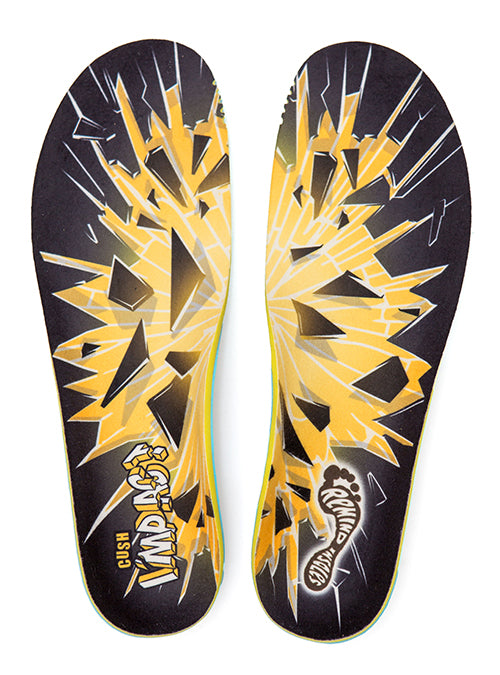


Leave a comment