

What Is a Heel Bruise and How Long Does It Take to Heal?
Skateboarding, running, long shifts… If you’ve ever hucked yourself down a huge set and landed too hard (and your board is nowhere in sight), logged a few too many miles during a training block, or simply just spent the day on your feet and thought, “Why does my heel feel like I just stepped on a rock?”—well, you might have a heel bruise.
Heel bruises are pretty much what they sound like: a nasty, painful bruise on your heel(s). They can happen fast, but they can also build up over time when your feet repeatedly absorb more impact than they can comfortably handle. Either way—they absolutely suck!
For runners, skateboarders, snowboarders, athletes, workers, and anyone who spends a lot of time on their feet, that repeated impact can add up. This makes it fair to wonder what exactly is happening down there, how long it takes to heal, and what you can do to keep your heels feeling good. That's why we're here. Let’s dive in.

What Is a Heel Bruise?
For those who want the proper explanation, a heel bruise can occur when the tissues underneath or around your heel take a direct hit or absorb repeated impact. Your heel already has a natural layer of fatty tissue designed to cushion and protect it, but that cushioning has its limits. High-impact activities, standing too long (and too often), hard surfaces, and improper footwear can all put extra stress on the heel. But unlike a bruise on your arm or leg, you might not actually see much discoloration. (You’ll certainly feel it, though!)
Instead, you may notice a deep, tender, bruise-like pain underneath your heel. Walking, running, jumping, skating or simply standing for long periods can make it more noticeable. The pain is real! Pressing directly on the center of your heel can also bring out that familiar “something’s definitely not right down there” feeling.
The biggest culprit? Impact.
Every time your heel hits the ground, your feet have to absorb and distribute that force. Do that once and your feet can usually handle it. Do it thousands of times during a long run, skate session, workday or training session, and your heels may start asking for a little more help.

How Long Does a Heel Bruise Take to Heal?
Like many common foot issues, there isn't one universal timeline for a heel bruise. It depends on what caused it, how severe the injury is, and whether you continue putting stress on the area while it heals.
A minor bruise may start feeling better fairly quickly, while a deeper injury can take longer. In general, soft-tissue injuries can take anywhere from weeks to months to fully recover depending on their severity. What’s important is not to keep hammering away at an injured heel and expect it to magically sort itself out. Ain’t gonna happen!
Give your feet a break. Reduce or temporarily modify the activities that trigger the pain. Ice can help with pain and swelling, and supportive, cushioned footwear can take some of the pressure off your heel while it recovers. Regardless, you just need to listen to your feet, which in fairness, is usually easier said than done.

Can You Prevent a Heel Bruise?
You can't guarantee that you'll never bruise your heel. Accidents happen. Bad bails (and even makes) happen. Sometimes your feet simply lose the argument with a particularly unforgiving piece of concrete. Been there. The good news is you can give your heels a better shot at handling repeated impact with what you're putting underneath your feet.
And while your shoes provide an important layer of protection, your insoles play a pretty big role too. A supportive, cushioned insole can help absorb and distribute some of the impact that would otherwise be transferred directly through your feet.
That doesn't mean an insole can prevent every heel bruise. It can't.
But it can certainly provide another layer of impact support and cushioning that may help reduce the stress your heels experience during repetitive, high-impact activities.
That's where Remind comes in.

How Can Remind Insoles Help With Heel Bruises?
All Remind insoles are designed to give your feet the support and impact protection that stock insoles (and many other “performance” insoles) simply lack.
Whether you're skating, running, hiking, working on your feet or just putting serious mileage on your shoes, the goal is simple: give your feet a better foundation.
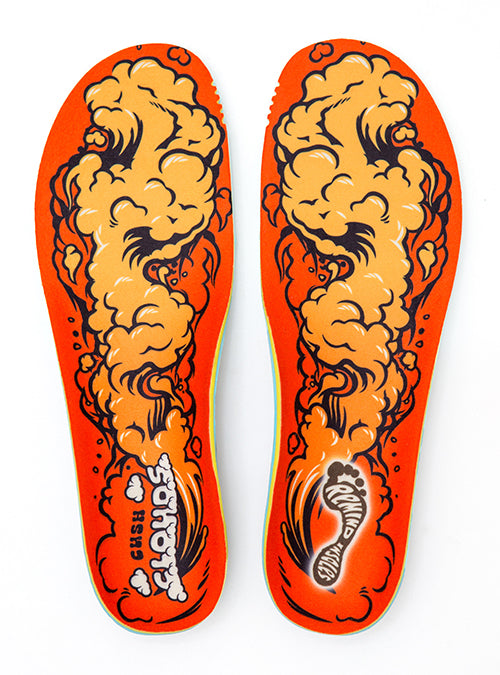
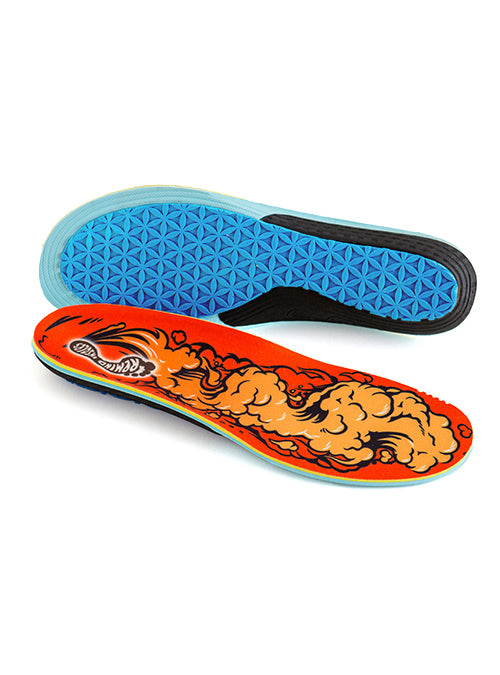
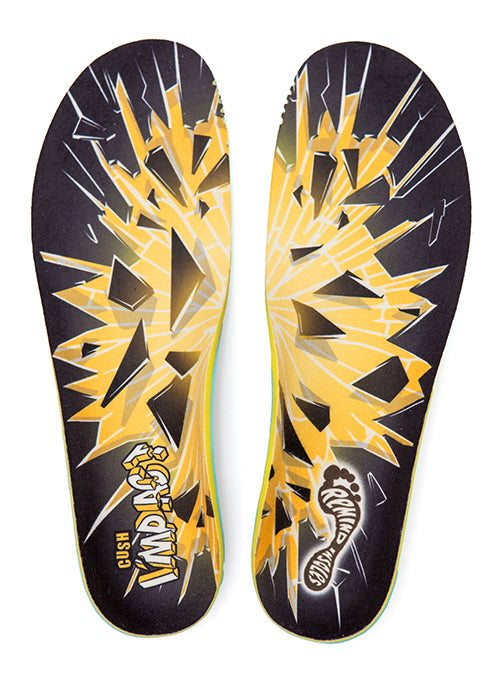
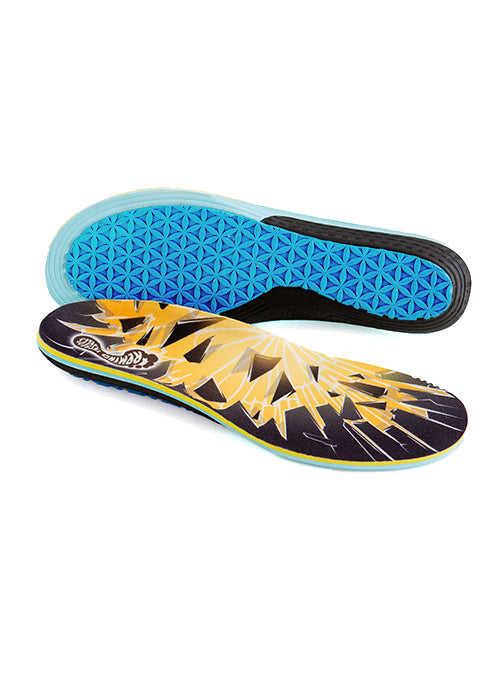
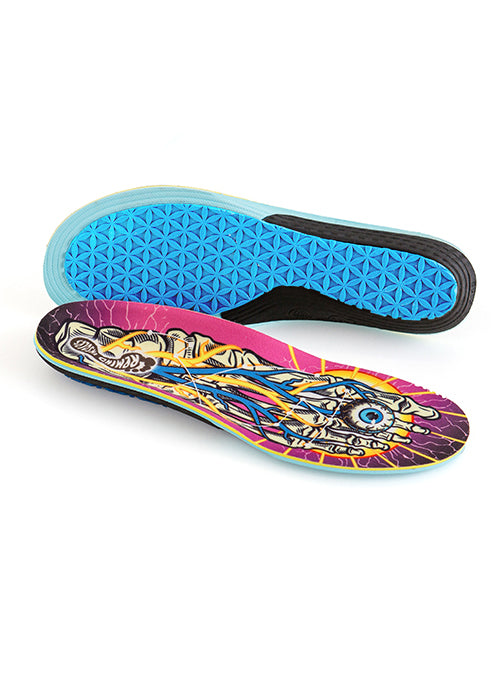
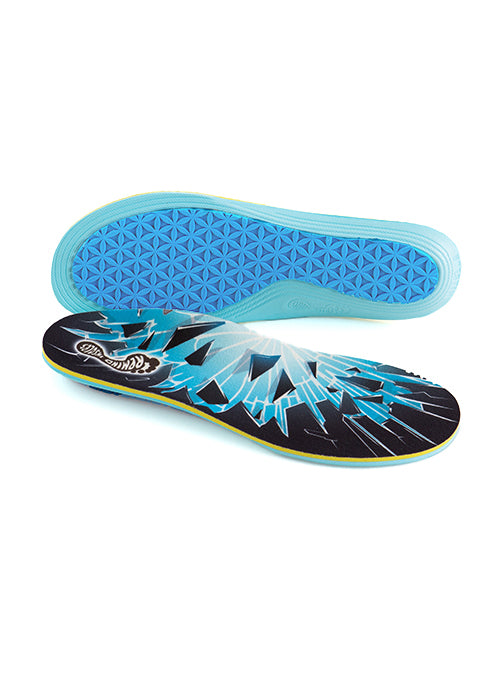
Our impact-focused insoles use cushioning designed to help absorb impact and provide support under your feet. That extra layer can be especially useful for activities where your heels are repeatedly taking a beating.
Think of it as adding another line of defense between your feet and whatever you're landing on. When your heels are already feeling beat up, the right insole can also be part of a broader recovery strategy—along with backing off the activity that's causing the pain, giving your feet time to recover and wearing supportive footwear. Because again, a better insole isn't the entire solution. Recovery matters. But hey, it will definitely help.

Don't Ignore Heel Pain
It’s worth mentioning that if your heel is hurting, don't assume it's automatically just a bruise. Heel pain can have a number of causes, including plantar fasciitis, heel fat pad problems, stress fractures and other injuries. A stress fracture, for example, can cause pain that gets progressively worse with activity and may eventually hurt even when you're resting. Just be mindful.
If your pain is severe, keeps getting worse, doesn't improve with rest, or is making it difficult to walk normally, it's worth talking to a healthcare professional. They can help determine what's actually going on and make sure you're not trying to skate, run or work through something more serious. The funny thing is, they might be rocking Remind insoles themselves!

Give Your Heels a Little Help
At any rate, heel bruises are one of those annoying reminders that your feet absorb a lot more impact than you probably think about. But thanks to Remind, you don't have to wait until your heels are screaming at you to start giving them some extra support.
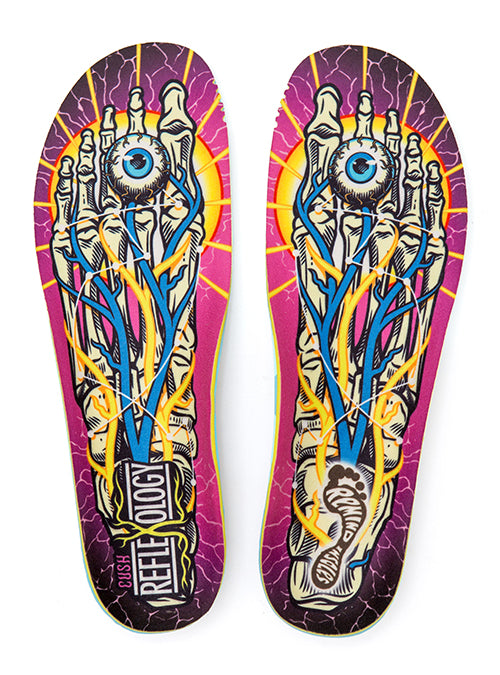
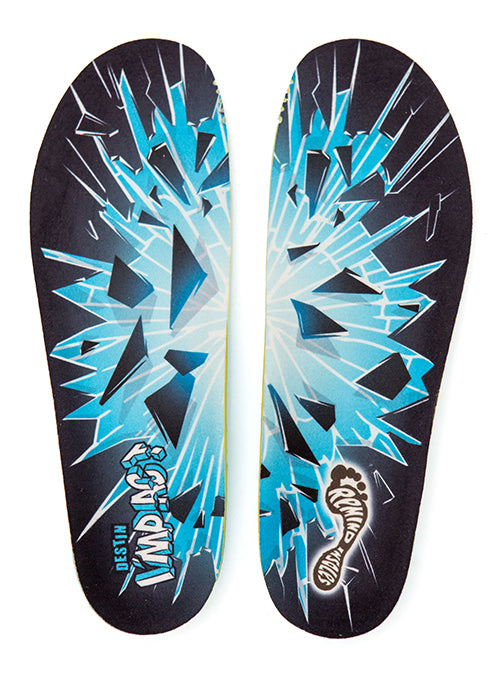
Take care of your feet. Give them time to recover. Wear shoes that provide the cushioning and support you need. And consider upgrading those stock insoles to something designed to help manage the impact your feet deal with every day. Our Medic, Cush, Destin, REDE and Remedy insoles are all perfect solutions.
Because whether you're stacking clips, logging miles, putting in a full shift or just spending all day on your feet, your foundation starts underneath you. Right? Right.
Okay, let’s say it together: RIP stock insoles! Make the switch today. Your heels will thank you.
**Not sure if our Medic, Cush, Destin, REDE and Remedy insoles are right for YOUR feet? Take our Insole Finder Quiz and find your perfect match!


Leave a comment