

Lower Back Pain From Standing All Day? The Real Cause (And the Fix That Most People Miss)
If you have lower back pain from standing all day, the problem may not be your back.
It may be your feet.
Millions of nurses, construction workers, restaurant staff, warehouse employees, retail associates, teachers, and tradespeople experience daily back pain after long shifts on hard surfaces.
Most people assume:
• It’s just part of the job
• It’s bad posture
• It’s age
• It’s muscle weakness

But in many cases, the real issue starts lower in the body.
Your feet are the foundation of your skeletal system. If they are unstable, everything above them compensates.
And that compensation often ends in your lower back.
Why Standing All Day Causes Lower Back Pain
Standing itself is not the enemy.
Standing without proper support is.
When you stand for 6 to 12 hours per day, especially on concrete or tile floors, your body absorbs constant micro-impact. Unlike walking, prolonged standing keeps muscles under continuous load.
This leads to:
• Muscle fatigue
• Reduced circulation
• Pelvic tilt changes
• Increased lumbar spine pressure
Studies show that prolonged static standing increases compression in the lumbar discs and accelerates muscle fatigue in the lower back.
But here’s the overlooked piece:
If your arches collapse or your foot rolls inward even slightly, that instability travels upward through the kinetic chain.
Foot misalignment leads to:
• Ankle rotation
• Knee tracking issues
• Hip imbalance
• Pelvic tilt
• Lumbar strain
That chain reaction is why many people feel back pain even when their back itself isn’t injured.

The Kinetic Chain: How Your Feet Affect Your Back
Your body works as an integrated system.
When your foot overpronates, your ankle rolls inward. That causes internal rotation at the knee and hip. The pelvis shifts. The lumbar spine compensates.
Over time, this results in:
• Tight hip flexors
• Overworked erector spinae muscles
• Increased spinal compression
• Chronic lower back stiffness
• End-of-shift fatigue
The longer you stand, the more those small imbalances compound.
The issue is not just hours worked.
It’s the quality of support during those hours.
Why Most Stock Insoles Fail on Concrete Floors
Most work boots, sneakers, and occupational shoes include flat foam inserts designed for cost efficiency, not biomechanics.
Stock insoles typically:
• Have minimal arch structure
• Compress quickly under body weight
• Offer little shock absorption
• Do not control pronation
• Lose support within weeks
When standing on concrete, impact energy travels directly through the heel into the knees, hips, and spine.
Without structured arch support, your body must stabilize itself.
That stabilization increases fatigue and spinal load.

Do Insoles Actually Help With Back Pain?
Yes, when they are designed correctly.
The right insoles for back pain must do more than cushion.
They must:
• Support the arch to control pronation
• Stabilize the heel
• Maintain structural integrity under load
• Distribute pressure evenly
• Reduce repetitive impact
When alignment improves at the foot, strain decreases at the lumbar spine.
For many people who stand all day, upgrading insoles produces noticeable reduction in end-of-day lower back tension.
Best Insoles for Standing All Day (What to Look For)
If you are searching for the best insoles for standing all day, prioritize:
-
Structured arch support, not soft foam
-
Materials that resist compression
-
Shock absorption for concrete floors
-
Heel stabilization
-
Long-term durability
Soft does not equal supportive.
Excessively soft insoles often collapse under weight and can worsen instability.

Remind Insoles: Built for Structure, Not Just Cushion
Remind Insoles are designed using performance orthotic principles. The focus is alignment first, cushioning second.
You can explore the full collection HERE
Here’s how different models support different needs:
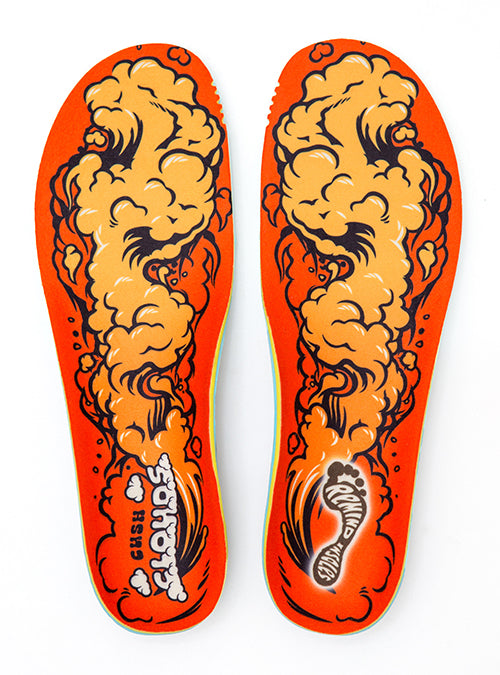
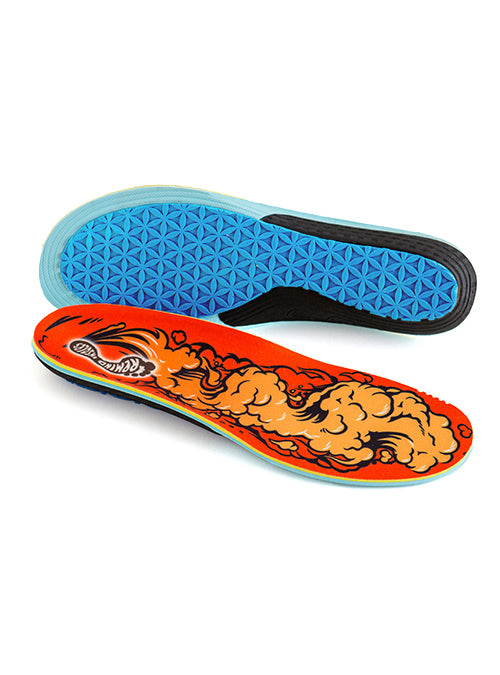
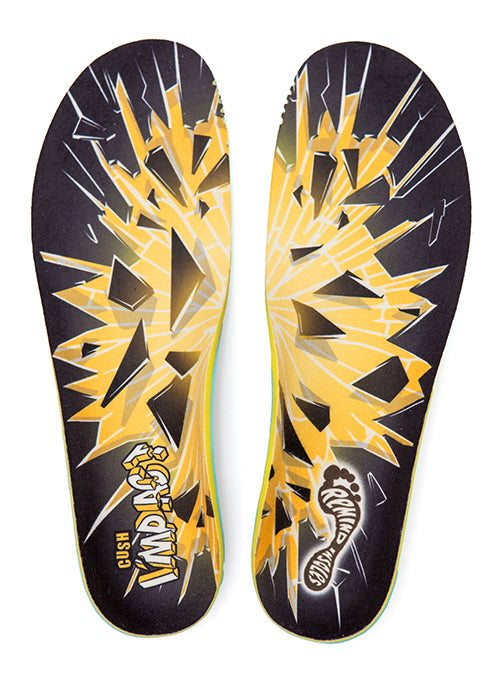
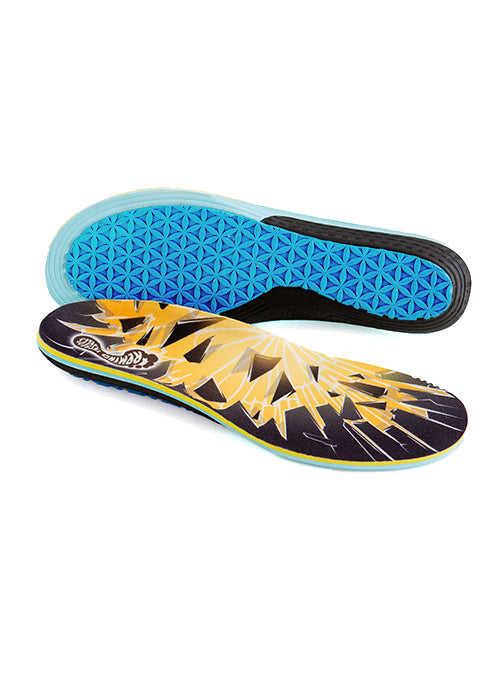
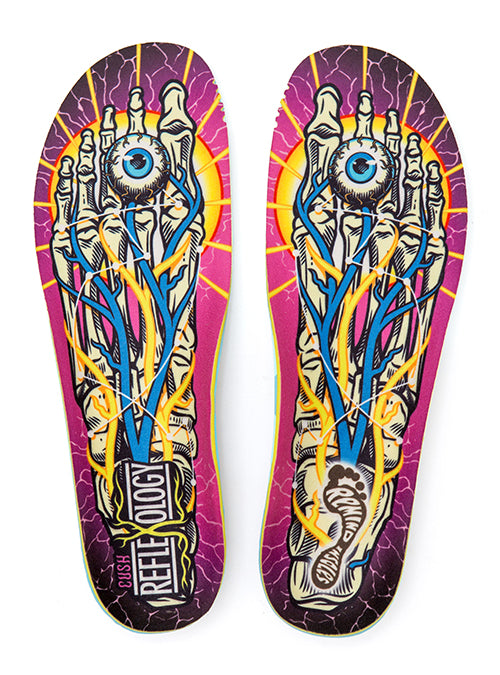
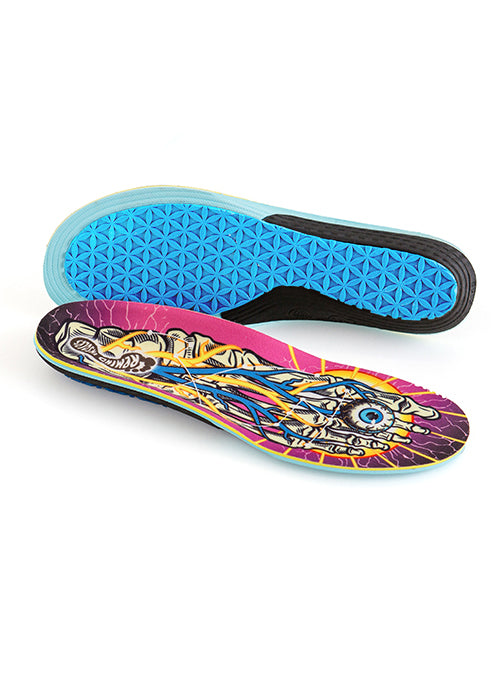
⭐️ Cush
Balanced impact absorption and daily support.
⭐️ Medic
Enhanced structured arch support for higher stability needs.
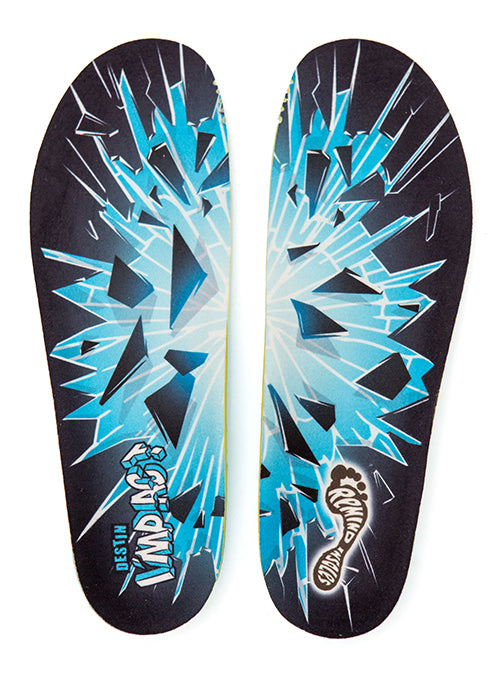
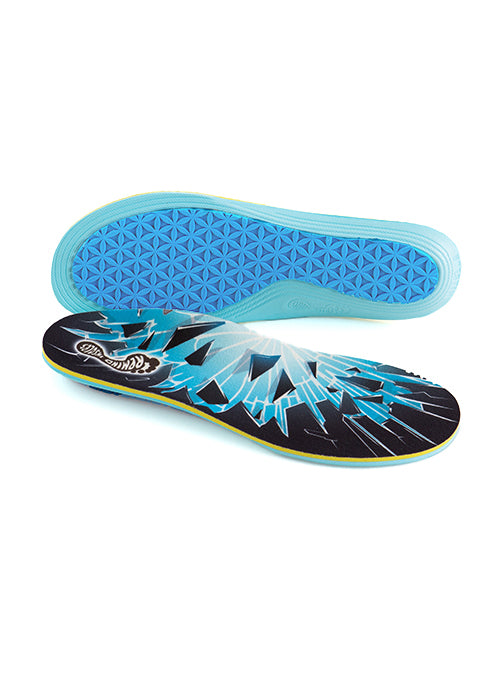
⭐️ Destin
All-day balanced support for work and lifestyle wear.
⭐️ Rede
Lightweight with responsive support control.
⭐️ Remedy
More pronounced support for long shifts and chronic fatigue.
Not sure which fits your foot type or work demands?
Take the Insole Finder Quiz:
❓ https://remindinsoles.com/

Remind vs. Generic Drugstore Insoles
Drugstore insoles often focus on gel cushioning and short-term comfort.
Structured insoles focus on alignment and durability.
Drugstore Style:
❌ Soft gel
❌ Minimal structure
❌ Short lifespan
❌ Temporary comfort
Structured Performance Insoles:
✅ Defined arch support
✅ Heel stability
✅ Shock absorption
✅ Long-term durability
✅ Alignment control
For prolonged standing, alignment matters more than softness.
Standing on Concrete: Why It’s Hard on Your Spine
Concrete absorbs almost no shock.
Your body absorbs it instead.
Every shift in weight creates force that travels upward.
If your feet lack structural support, your spine absorbs more load.
Over months and years, that adds up.
Workers who spend years on concrete floors are significantly more likely to experience chronic lower back discomfort compared to sedentary workers.
The difference often comes down to footwear support.

How to Reduce Lower Back Pain From Standing All Day
If you want to reduce back pain from standing all day:
-
Replace stock insoles with structured arch support
-
Wear footwear with a firm heel counter
-
Avoid locking your knees
-
Stretch hip flexors and hamstrings daily
-
Rotate footwear if possible
-
Maintain healthy body weight to reduce spinal load
Support at the foundation is often the simplest first intervention.
❓Frequently Asked Questions
Can standing all day cause lower back pain?
Yes. Prolonged standing increases lumbar pressure and muscular fatigue, especially on hard surfaces.
What are the best insoles for concrete floors?
Insoles with structured arch support, heel stability, and shock absorption designed for high-impact environments.
Are soft insoles better for back pain?
Not necessarily. Structure and alignment control matter more than softness alone.
How long does it take to notice improvement?
Some people notice reduced fatigue within days. Structural alignment improvements typically develop over several weeks.

If Your Back Hurts, Look at Your Foundation
Back pain is complex and can have multiple causes.
But if you experience lower back pain from standing all day, your feet are one of the most logical places to start.
Support. Structure. Alignment. Durability.
Explore all models HERE
Or take the Insole Finder Quiz for a personalized recommendation:
https://remindinsoles.com/
Sometimes the most effective solution is not in your back.
It’s under your feet 👣 .


Leave a comment