

How Many Miles Are Really Left in Your Insoles?
Let's start this thing off with a quick question: When was the last time you replaced your insoles?

Not your shoes. Not your running shoes. Not your skate shoes. Your insoles!
If you're struggling to remember, don't trip—you definitely aren't alone. In fact, one of the funniest "problems" we have at Remind is that our insoles tend to last so long that people forget they're even in there. And honestly? We fully get it.
Unlike a blown-out skate shoe, a worn-down tire, a cracked deck—whatever—insoles admittedly don't exactly scream for attention. They quietly do their job day after day, absorbing impact, providing support, and helping keep your feet comfortable through whatever life throws at them. But the problem is that even the best insoles in the game eventually lose some of their magic.
And if you're spending this summer skating, running, hiking, traveling, walking, or simply being more active, now might be the perfect time to ask yourself: How many miles are really left in my insoles?
 The Good News: Remind Insoles Are Built to Last
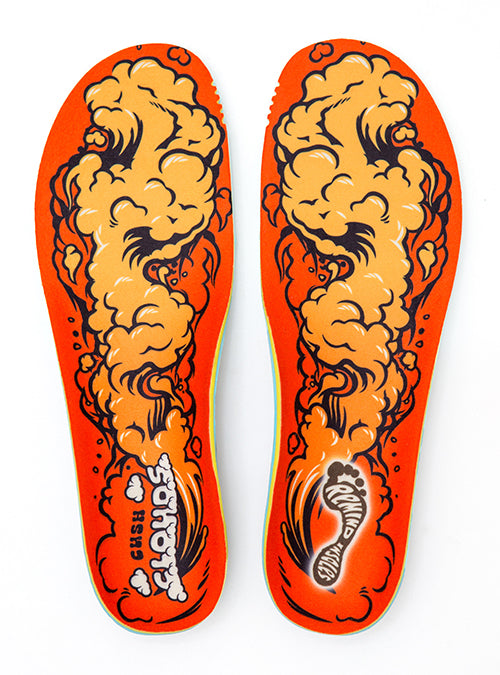
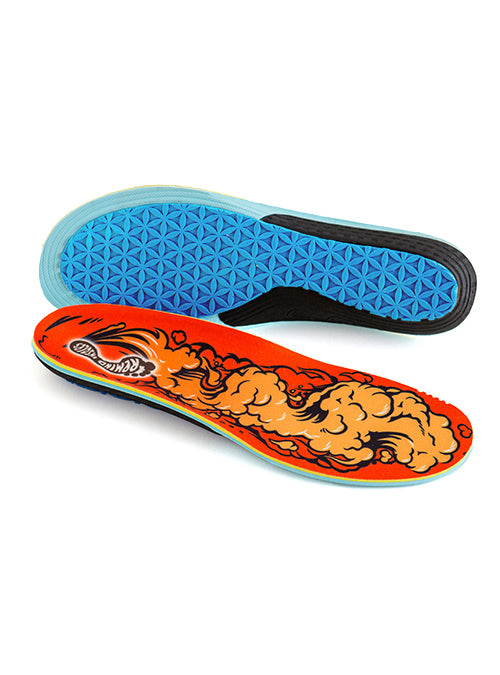
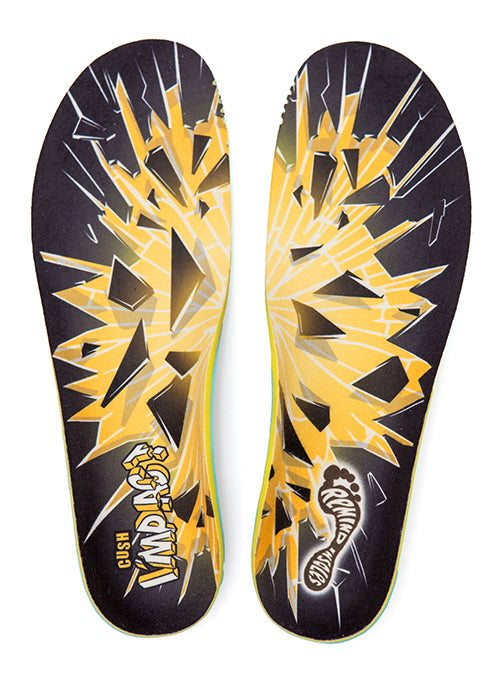
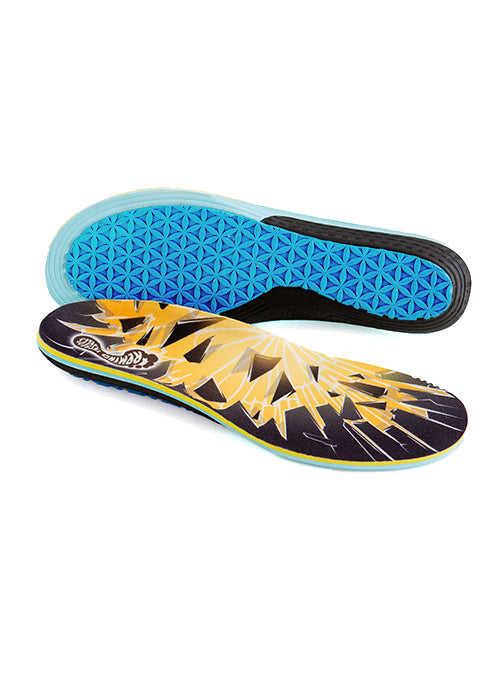
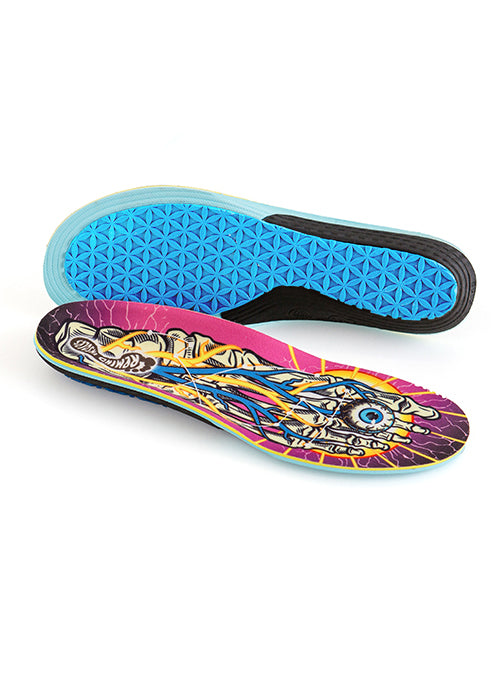
Before we go any further, let's clear something up. Remind Insoles are tough. Really tough. And depending on how much abuse they're actually taking, it's not uncommon for a single pair of Reminds to survive through multiple pairs of skate shoes or remain in great visual condition for years. We've seen it countless times. We’ve had tons of people send us photos of a pair they've had forever and tell us, "These still look brand new!" And they're usually right.
The layers are intact. The material isn't crumbling. Nothing appears damaged. But the truth is, appearance and performance aren't always the same thing. Just because an insole still looks good doesn't necessarily mean it's performing at its absolute best.

What Actually Happens Over Time?
Your insoles are working super hard every single day. Every step. Every walk. Every run. Every ollie. Every hike. Every shift at work. Every airport terminal you sprint through because your gate somehow moved across the entire building. All of that impact adds up.
Over time, the materials inside your insoles naturally begin to wear out a bit. But again, this process happens slowly enough that most people don't even notice it happening. At least when it comes to Remind specifically. And that's what makes it tricky.
You don't wake up one morning and suddenly think, "Wow, these insoles stopped working." Nope! Instead, your body gradually adapts to slightly less cushioning, slightly less support, and slightly less responsiveness, until one day you put a fresh pair in and immediately realize what you've been missing. We've heard that story more times than we can count.

Summer Is Peak Mileage Season
Let's be honest—most people move a lot more during summer. And summer is officially here! The weather is better. The days are longer. The adventures are yours for the taking.
Maybe you're:
- Training for a 5K, 10K, half marathon, or marathon
- Getting your daily 10,000 steps
- Exploring hiking trails every weekend
- Traveling and walking all day on vacation
- Skating more because the sun stays out longer
- Spending more time outside in general
Whatever your version of summer looks like, chances are your feet are working overtime. And that means your insoles are too. That's why summer is actually one of the best times to evaluate your footwear setup and ask whether your current insoles are still giving you the comfort and support they did when they were fresh.

The "They Still Feel Fine" Trap
This is where most people get stuck. "They still feel okay,” they tell us. “They’re still so comfortable!” Sound familiar? Our bodies are incredibly good at adapting. It’s actually super rad. But you don't always notice gradual changes because they happen slowly. It's the same reason you don't notice your haircut growing out day by day, you know? You could argue that insoles work the same way.
When you've been skating, running, working, or walking on the same pair for months, you adapt to their gradual compression. Then you throw in a fresh pair and suddenly realize: “Damn! That's what they're supposed to feel like."
More rebound. More comfort. More support. More protection. More stoke! Again, it’s one of the most common things we hear from longtime Remind users.

So How Often Should You Replace Them?
The answer honestly depends on how you're using them. If you're a skateboarder jumping down stuff every day or focusing heavily on progression, you're obviously putting more stress on your insoles than someone wearing them casually around town. Likewise, runners, hikers, warehouse workers, nurses, and anyone spending long hours on their feet will generally compress their insoles faster than someone using them occasionally.
With all that said, our recommendation remains pretty simple: For best performance, we suggest you replace your insoles every 3-6 months.
Not because they're falling apart. Not because they'll suddenly stop working. And definitely not because we think they're disposable. We recommend it because that's typically when you'll start noticing a difference in performance, comfort, and support. Could they last longer? Absolutely. In fact, they will. Lots of people use them for much longer.
But if your goal is to get the absolute best experience possible from your footwear, a fresh pair every few months can make a surprisingly noticeable difference.

Your Feet Deserve Better Than "Good Enough"
Alright, let’s put it another way. You probably wouldn't wait until your wheels completely stop rolling before replacing them. You wouldn't run a marathon in shoes that are completely cooked. You definitely wouldn't drive on bald tires and call it preventative maintenance. So in fairness, why treat your insoles differently? Your feet carry you through everything. Work. Exercise. Travel. Skate sessions. Weekend adventures. Life!
Giving them fresh support every few months isn't exactly a crazy idea. In fact, it's one of the easiest upgrades you can make.

Long Story Short?
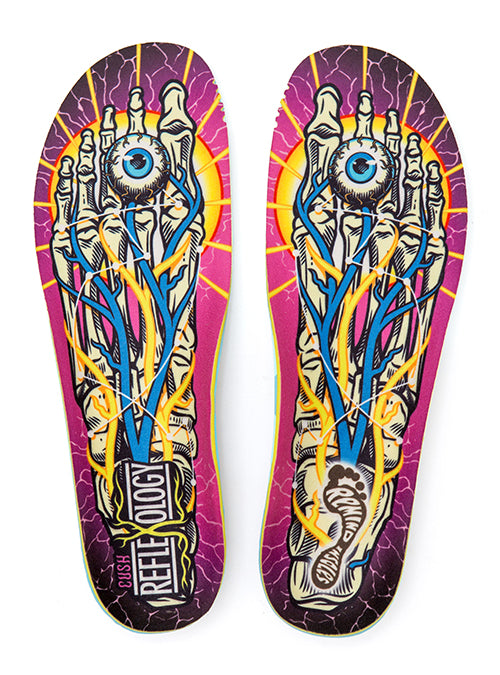
Remind Insoles are built to last. That's one of the things we're most proud of. But even the best insoles eventually accumulate miles, absorb impacts, and lose a little bit of the performance they had on day one. So if you're skating hard, training for a race, hiking every weekend, or simply stacking steps all summer long, now might be a good time to take a closer look at what's inside your shoes.
And if you can't remember the last time you replaced your insoles? Well... that might be your answer right there. Your feet have carried you this far. It's time to return the favor!
**Not sure which Remind Insoles are right for you? Take our Insole Finder Quiz and find your perfect match.



Leave a comment