

How the Right Insoles Can Reduce Knee, Hip, and Lower Back Pain
Most people think about insoles as a solution for foot pain. Arch support, heel cushioning, maybe some added comfort—end of story. And that's totally fair. But your feet don’t work in isolation. They’re the foundation of your entire body, and what happens at ground level directly affects your knees, hips, and lower back. When that foundation is unstable or unsupported, the stress travels upward.
This is where insoles—specifically well-designed, biomechanically sound insoles like Remind Insoles—play a much bigger role than most people realize.

The Body Works as a Chain
Your body functions as a kinetic chain. When one link is off, the rest have to compensate. Feet that collapse inward (overpronation), roll outward (supination), or lack proper shock absorption can change how your ankles move. That altered movement shifts stress to the knees, which then affects hip alignment and eventually places strain on the lower back.
Poor foot support doesn’t just cause sore arches—it can lead to knee pain, tight hips, and chronic lower back discomfort. The issue often isn’t where the pain shows up, but where it starts.

What Happens When Your Feet Lack Support
Most stock insoles included in shoes are flat pieces of foam designed to fill space, not support your body. They compress quickly, provide minimal arch structure, and do little to manage impact. Over time, this can cause:
-
Knees collapsing inward during movement
-
Uneven loading of hip joints
-
Increased pelvic tilt
-
Excess strain on the lower back muscles
For people who skate, run, work on their feet all day, or stay active in general, this adds up fast. Every step, push, or landing sends force through the body. Without proper support, your joints take the hit.
How Insoles Influence Knee Alignment
Knee pain is often linked to foot mechanics. When arches collapse, the lower leg tends to rotate inward, placing stress on the knee joint—especially the patellar tendon and surrounding ligaments. Over time, this can contribute to discomfort, inflammation, and even long-term joint issues.
Remind Insoles are designed to support the arch and stabilize the heel, helping keep the foot in a more neutral position. When your feet are properly aligned, your knees track more naturally during movement. That means less twisting, less strain, and better load distribution through the joint.

The Connection Between Insoles and Hip Stability
Your hips play a huge role in balance, power, and mobility. But they rely on consistent input from the ground. When your feet are unstable, your hips are forced to overcorrect, leading to tight hip flexors, uneven muscle engagement, and fatigue.
Supportive insoles like our Cush, Destin, Medic, Rede and Remedy help create a stable base, allowing your hips to move as they’re supposed to. Remind Insoles focus on structured support without overcorrecting, which is key. You don’t want to lock your body into an unnatural position—you want to guide it into better alignment while still allowing natural movement.
This balance is especially important for athletes and action sports enthusiasts, where responsiveness matters just as much as support.
Lower Back Pain Often Starts at the Feet
Lower back pain is one of the most common issues people deal with, and many never consider their footwear as a contributing factor. But when your feet don’t absorb impact properly, that force travels straight up the legs and into the spine.
Repeated impact—whether from walking, skating, or standing all day—can compress the lower back over time. Insoles with proper shock absorption help reduce that load before it reaches the spine.
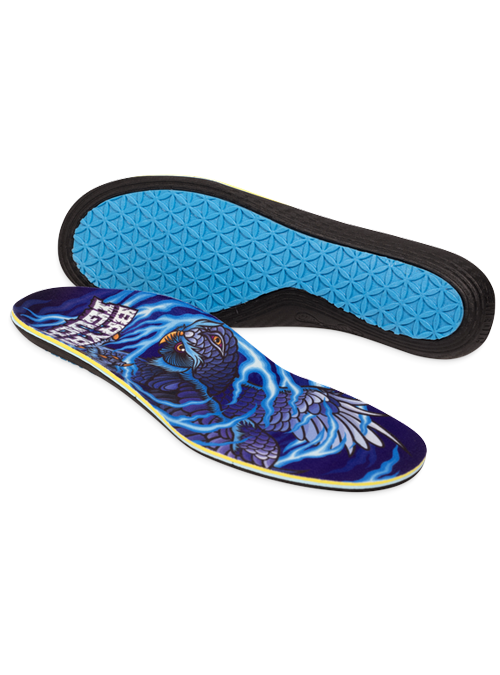
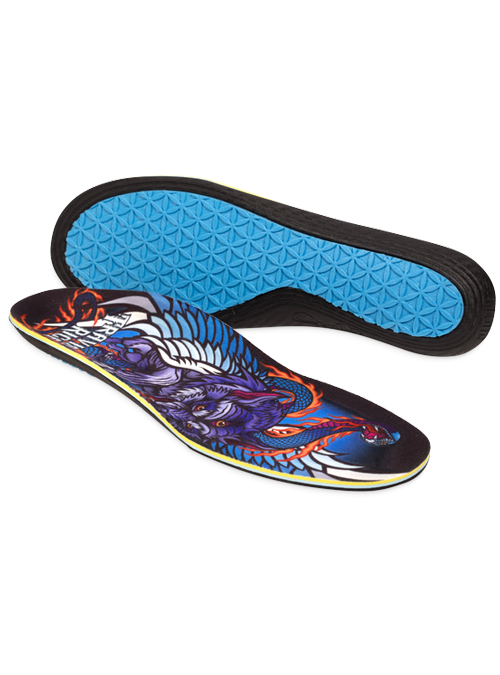
Remind Insoles use impact-absorbing materials combined with anatomical shaping to help disperse force more evenly. Instead of one harsh jolt moving up the body, impact is softened and spread out, reducing strain on the lower back.

Why Remind Insoles Are Different
Not all insoles are created equal. Some are overly soft with no structure. Others are rigid and uncomfortable, forcing the foot into a position it can’t sustain. Remind Insoles are built around real biomechanics:
-
Arch support that matches natural foot shape
-
Heel stabilization for better alignment
-
Impact protection without sacrificing board feel or responsiveness
-
Durability that doesn’t break down after a few weeks
This combination matters because long-term joint health isn’t about quick fixes—it’s about consistent, reliable support every time you move.
Support That Extends Beyond Your Feet
When your feet are properly supported, everything above them benefits. Knees track better. Hips stay more level. The lower back experiences less repetitive stress. You move more efficiently, recover faster, and deal with fewer nagging aches that come from poor alignment.
Whether you’re skating, training, working long shifts, or just trying to stay active without pain, insoles are one of the simplest upgrades you can make—with effects that reach far beyond your shoes.

At the End of the Day...
Pain in the knees, hips, or lower back doesn’t always start where it hurts. Often, it starts at the ground. Insoles aren’t just about comfort—they’re about creating a stable foundation for your entire body.
Remind Insoles are designed with that full-body connection in mind. By supporting proper alignment, absorbing impact, and promoting efficient movement, they help reduce unnecessary stress on joints from the feet up.
If you want your body to move better, feel better, and hold up longer, it makes sense to start where every step begins.
Unsure which Remind Insoles are best for your feet? Take our Insole Finder Quiz and find your perfect match!




Leave a comment